IT Consulting Services in Singapore & Canada: What Growing Enterprises Should Expect in 2026
Last Updated : 25/09/2026
Estimated : 14 min read
Author : Lokesh A

Table of Content
- Two Very Different Markets, One Confusing Assumption
- What "IT Consulting" Actually Covers
- Singapore: A Small Market With Specific, Serious Rules
- Canada: Federal Rules, Provincial Complications, and a Brand-New Law
- Side-by-Side: What Actually Differs
- What Growing Enterprises Should Expect From a Consulting Partner in Each Market
- A Practical Checklist for Evaluating Any Consulting Partner
- How VeeTee Approaches Both Markets
- A Realistic Example
- What's Changing Next
- Frequently Asked Questions
- The Bottom Line
Two Very Different Markets, One Confusing Assumption
Here's a mistake we see enterprises make regularly: treating "IT consulting" as one universal service that works the same way everywhere.
It doesn't. An IT consulting engagement that works well in Singapore can miss the mark entirely in Canada. This isn't because the technology is different. It's because the rules, expectations, and buying process around it are genuinely different. A consultant who understands Singapore's regulatory landscape inside out may know very little about what a Canadian procurement team actually needs to see before signing a contract.
This article breaks down what's actually different between these two markets. It covers what a growing enterprise in each one should expect from a consulting partner in 2026.
What "IT Consulting" Actually Covers
Let's keep this simple first. IT consulting means getting expert outside advice on technology decisions. This covers things like which systems to use, and how to stay compliant with local laws. It also includes how to plan a cloud migration, or how to structure an IT team as a business grows.
A good IT consultant doesn't just recommend software. They understand your specific market's rules well enough to warn you about problems before they happen, not after.
This is exactly where the Singapore-versus-Canada difference matters most. The rules genuinely aren't the same. A generic, one-size-fits-all consulting approach quietly fails in one market or the other.
Singapore: A Small Market With Specific, Serious Rules
Singapore's regulatory environment for technology is more developed and more specific than many growing enterprises expect.
The Cybersecurity Act was first introduced in 2018, and meaningfully amended in 2024. It expanded obligations for organisations running what's classified as Critical Information Infrastructure, or CII (source:Aggasys, Top 5 IT Consulting Companies in Singapore).
MAS TRM Guidelines — issued by the Monetary Authority of Singapore — govern technology risk management specifically for financial institutions, and were significantly updated in 2021. Any enterprise in or adjacent to financial services needs a consulting partner who genuinely understands these guidelines, not one learning them on the job.
PDPA, Singapore's data protection law, carries real financial teeth: penalties of up to SGD $1 million for significant breaches (source:Aggasys).
What this means practically: in Singapore, compliance readiness is often the actual reason enterprises seek IT consulting in the first place. It's not usually a side consideration bolted onto a broader technology project.
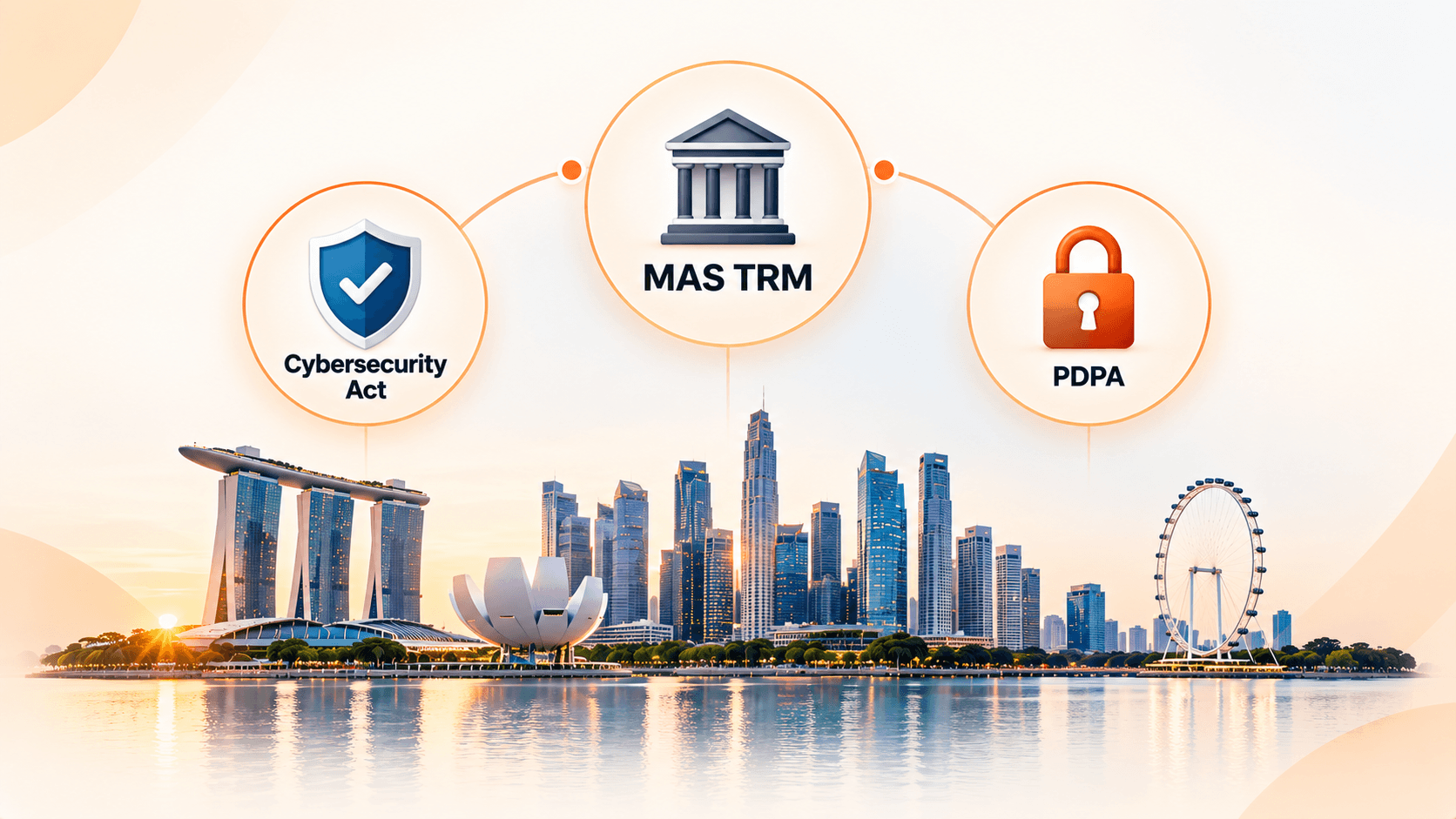 Singapore's three key frameworks: the Cybersecurity Act, MAS TRM Guidelines and PDPA
Canada: Federal Rules, Provincial Complications, and a Brand-New Law
Canada's regulatory picture looks different in structure, and it's shifted meaningfully just in the past few months.
PIPEDA (the Personal Information Protection and Electronic Documents Act) remains Canada's governing federal privacy law in 2026. An earlier proposed replacement, Bill C-27, died when Parliament was prorogued in January 2025. So PIPEDA continues to apply, with maximum penalties of $100,000 per offence for specific violations (source:ITS-CAN, PIPEDA Compliance Checklist for IT).
On top of the federal law, provinces add their own layer. Quebec's Law 25 is the strictest provincial privacy law in the country. It applies aggressively to any organisation collecting a Quebec resident's data, regardless of where that organisation is based (source:Truvo Cyber, Top SOC 2 Consultants in Canada).
Here's the genuinely new development: Bill C-8, the Critical Cyber Systems Protection Act, received Royal Assent on 15 June 2026. This is a cybersecurity overlay, not a privacy law. It doesn't replace PIPEDA. But it adds specific cybersecurity-program obligations for designated operators in telecom, finance, energy, and transportation. Critically, it reaches smaller businesses too, through prime-contractor flow-down. It functions as a real procurement gate through 2026 and 2027 for companies that want to supply into these sectors (source:Fusion Computing, PIPEDA Compliance for Canadian Small Businesses).
What this means practically: a Canadian enterprise's compliance picture depends on where it operates. It depends on which province its customers are in. And increasingly, it depends on which sector's supply chain it's part of. This is a genuinely more fragmented picture than Singapore's more centralised approach.
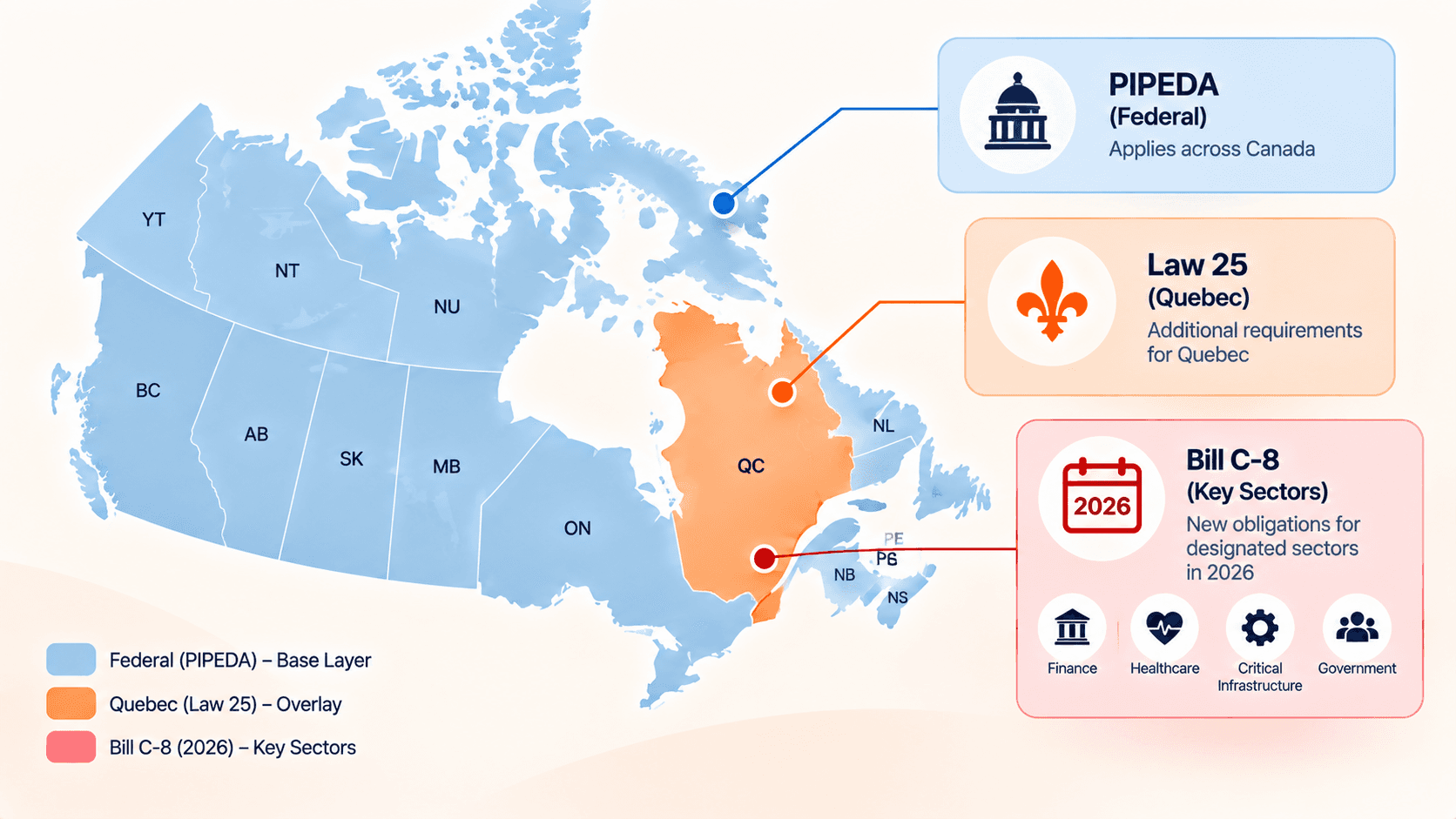 PIPEDA applies federally, Quebec's Law 25 adds a provincial layer, and Bill C-8 (2026) covers critical sectors — sector badges are illustrative
Side-by-Side: What Actually Differs
| Factor | Singapore | Canada |
|---|---|---|
| Core privacy law | PDPA (national) | PIPEDA (federal) + provincial laws |
| Strictest layer | PDPA applies nationally | Quebec's Law 25 (provincial) |
| Recent major change | Cybersecurity Act amended 2024 | Bill C-8 passed June 2026 |
| Financial sector rules | MAS TRM Guidelines (2021 update) | Sector-specific, less centralised |
| Penalty ceiling | Up to SGD $1 million | Up to $100,000 (PIPEDA) |
| Market structure | Single, compact regulatory environment | Federal plus provincial patchwork |
Neither market is simpler or harder overall — they're just structured differently. Singapore consolidates its rules through fewer, well-defined frameworks. Canada spreads them across federal law, provincial law, and now sector-specific cybersecurity obligations.
What Growing Enterprises Should Expect From a Consulting Partner in Each Market
In Singapore, expect:
- Direct, specific familiarity with PDPA, MAS TRM (if you're in or near financial services), and Cybersecurity Act obligations.
- A tighter, more centralised advisory process, since there are fewer separate regulatory layers to reconcile.
- Faster alignment between compliance advice and technical implementation, since the rules are relatively consolidated.
In Canada, expect:
- A consultant who can clearly explain which rules apply federally versus provincially for your specific footprint.
- Active awareness of Bill C-8's new procurement implications, especially if you supply into telecom, finance, energy, or transportation.
- More flexibility built into recommendations, since a Canadian enterprise's obligations can shift simply by adding a customer in a new province.
In both markets, insist on the same baseline:
- A partner who can name the specific regulations relevant to your business, not generic statements about "compliance best practices."
- Clear documentation of what's been assessed and what hasn't — vague verbal assurances aren't sufficient evidence during an actual audit.
- A team that stays current as rules change, given how recently both Singapore's Cybersecurity Act and Canada's Bill C-8 have shifted.
A Practical Checklist for Evaluating Any Consulting Partner
Regardless of which market you're in, a few direct questions cut through most marketing language quickly.
Ask them to name the specific regulation, not the category. "We handle compliance" is not an answer. "We work with PDPA and MAS TRM daily" or "we track PIPEDA, Law 25, and Bill C-8 obligations" is a real answer.
Ask when they last updated their own internal knowledge. Singapore's Cybersecurity Act and Canada's Bill C-8 have both changed recently. A partner who can't point to something specific they've adjusted in the last year or two may be working from outdated assumptions.
Ask for a reference in your specific sector, not just your country. A consultant with strong general Canadian experience may still be unfamiliar with the specific rules for a narrower case. Take a transportation company under Bill C-8, versus a retail business with no critical-infrastructure exposure at all — the obligations look very different.
Ask what happens when the rules change mid-project. A good partner has a clear answer for how they monitor regulatory shifts and flag them proactively — not just when you happen to ask.
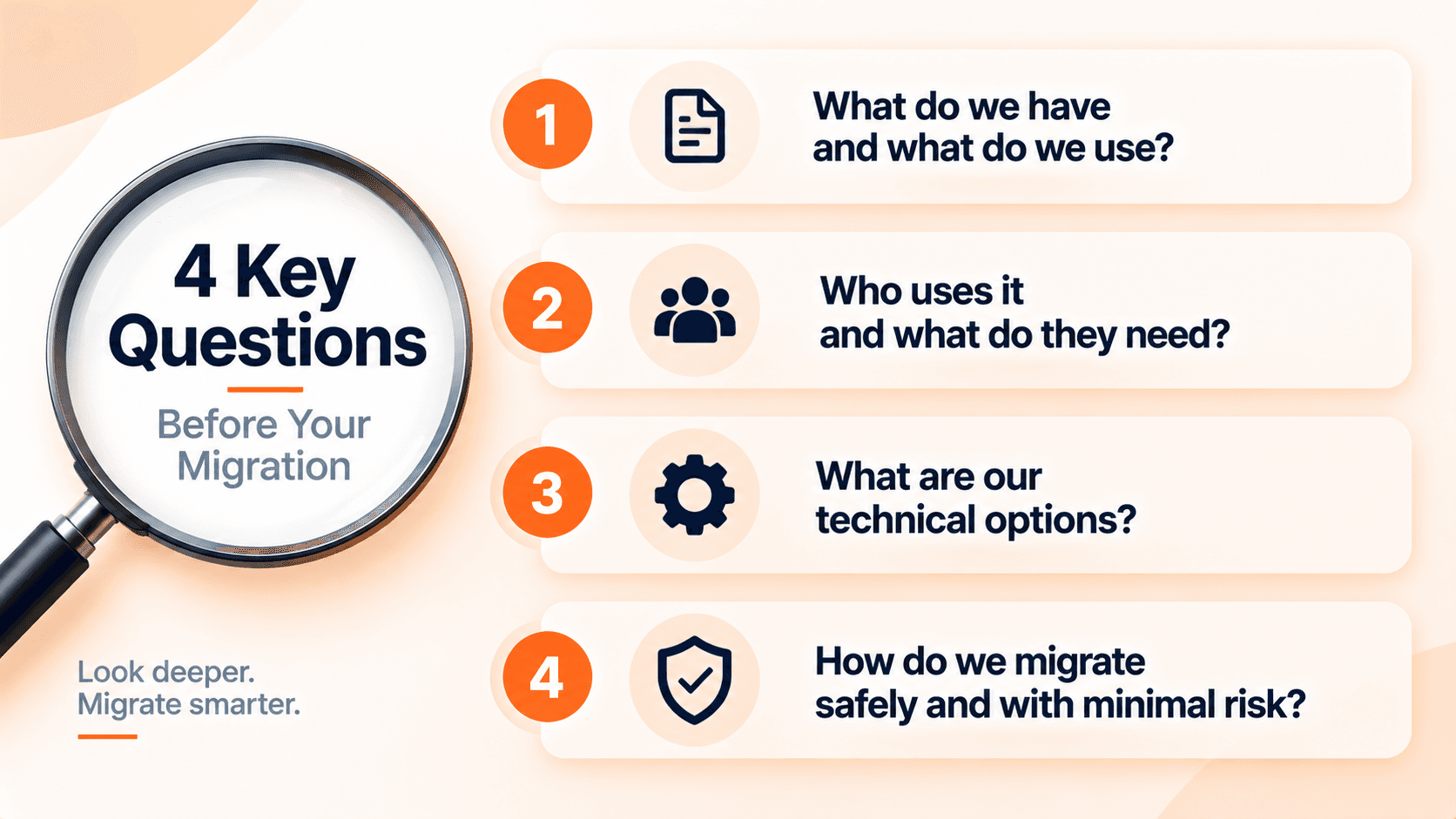 Four questions that cut through consulting marketing language in any market
How VeeTee Approaches Both Markets
VeeTee's IT Consulting Servicesare built to serve both markets from one delivery team, rather than treating them as entirely separate practices:
- Market-specific regulatory awareness, so recommendations account for PDPA and MAS TRM in Singapore, or the PIPEDA-plus-provincial-plus-Bill-C-8 picture in Canada — not a generic global template.
- The same delivery quality and communication standards across both markets, since our clients increasingly operate in more than one region at once.
- Direct experience acrosscloud migration,data analytics, andapplication support — the practical technology work that compliance advice eventually needs to translate into.
For a deeper look at how VeeTee approaches offshore delivery relationships generally, see our guide onIT outsourcing to India for UAE, UK, and USA companies. The same underlying principles about proximity, communication, and accountability apply across every market we serve.
A Realistic Example
Picture a mid-sized logistics technology company headquartered in Toronto, expanding into both Quebec and Singapore within the same year.
Their existing IT consulting relationship had served them well for years. But it had been built entirely around federal Canadian rules. It had no real Quebec-specific expertise, and zero experience with Singapore's regulatory environment at all. As the Quebec expansion moved forward, gaps appeared quickly. The existing consultant hadn't fully mapped Law 25 requirements. Separately, a Singapore market-entry conversation revealed the same consultant had no working knowledge of PDPA or MAS TRM at all.
Rather than manage three fragmented relationships — one for Canada, one for Quebec specifically, one for Singapore — the company made a change. It consolidated onto a single partner with genuine, current expertise across all three contexts. The result wasn't just fewer vendor relationships to manage. It meant technology decisions could be made once. The full regulatory picture was considered from the start, rather than retrofitted separately for each jurisdiction after the fact.
What's Changing Next
Bill C-8's procurement gate will keep tightening through 2027. Designated operators in Canada's critical sectors are pushing cybersecurity requirements down through their supply chains. Expect more mid-sized vendors to be asked for specific evidence of compliance readiness. It's worth preparing for now if you supply into any of the affected sectors.
Singapore's regulatory pace shows no sign of slowing. MAS TRM was last updated in 2021. The Cybersecurity Act was amended in 2024. Further updates are a matter of when, not if. Enterprises with a consulting partner already tracking these changes will adapt faster than those catching up after each new rule lands.
Multi-market enterprises are increasingly consolidating consulting relationships. More companies operate across both APAC and North America simultaneously. This strengthens the operational case for one consulting partner who genuinely understands both regions, rather than a patchwork of local specialists.
Frequently Asked Questions
Neither is simply "more" regulated — Singapore consolidates its rules into fewer, well-defined frameworks, while Canada spreads obligations across federal, provincial, and now sector-specific cybersecurity layers.
No — Bill C-8 is a cybersecurity-program overlay for designated critical-sector operators. PIPEDA remains Canada's governing federal privacy law, unaffected by Bill C-8.
Not necessarily. A consulting partner with genuine, current expertise in both markets can often serve you more consistently than separate local specialists working independently of each other.
Meaningfully, and fairly often. MAS TRM was significantly updated in 2021. The Cybersecurity Act was amended in 2024. Treat this as an evolving landscape rather than a fixed set of rules.
Assuming PIPEDA compliance alone is sufficient. Many skip checking provincial requirements like Quebec's Law 25, or newer sector-specific obligations like Bill C-8 if they supply into critical infrastructure sectors.
The Bottom Line
Singapore and Canada both demand real regulatory fluency from an IT consulting partner — they just demand different kinds. Get a partner who genuinely understands your specific market's rules, not one applying the same generic playbook everywhere, and technology decisions stop being a compliance gamble.
Schedule a discovery call — VeeTee serves both markets from one delivery team.Get in touch hereor exploreVeeTee's IT Consulting Servicesin detail. Visitveeteetechnologies.comto see our full range of services.
Related Reading on the VeeTee Blog
- IT Outsourcing to India: What Companies in the UAE, UK, and USA Actually Get
- Which Company Offers Reliable Azure Cloud Migration Services Singapore?
- Top Software Companies in USA: What Really Matters When Choosing the Right One
- Why Most Cloud Migration Projects Fail & How Businesses Can Succeed in 2026
External Sources Referenced in This Article
- Aggasys —Top 5 IT Consulting Companies in Singapore (2026 Guide)
- ITS-CAN —PIPEDA Compliance Checklist for IT: The 2026 Guide for Canadian SMBs
- Truvo Cyber —Top SOC 2 Consultants in Canada (2026): A Buyer's Guide
- Fusion Computing —PIPEDA Compliance for Canadian Small Businesses in 2026: Bill C-8 + Quebec Law 25
Regulatory details in this article reflect publicly available information as of September 2026. Both Singapore and Canada's technology compliance rules continue to evolve — always confirm current requirements with a qualified local advisor before making compliance decisions.
Get in Touch
Contact Us
+91 9500945700
adm@vttech.in
No: 8/65, 1st Floor, Radhakrishnan Street, Shankaran Avenue, Velachery, Chennai, Tamil Nadu – 600042, India.
We’re here to help you !